Green materials, local value, lasting impact.
GFIL aligns with the growing need for environmentally responsible production, renewable materials, local industrial development, and climate-conscious enterprise models.
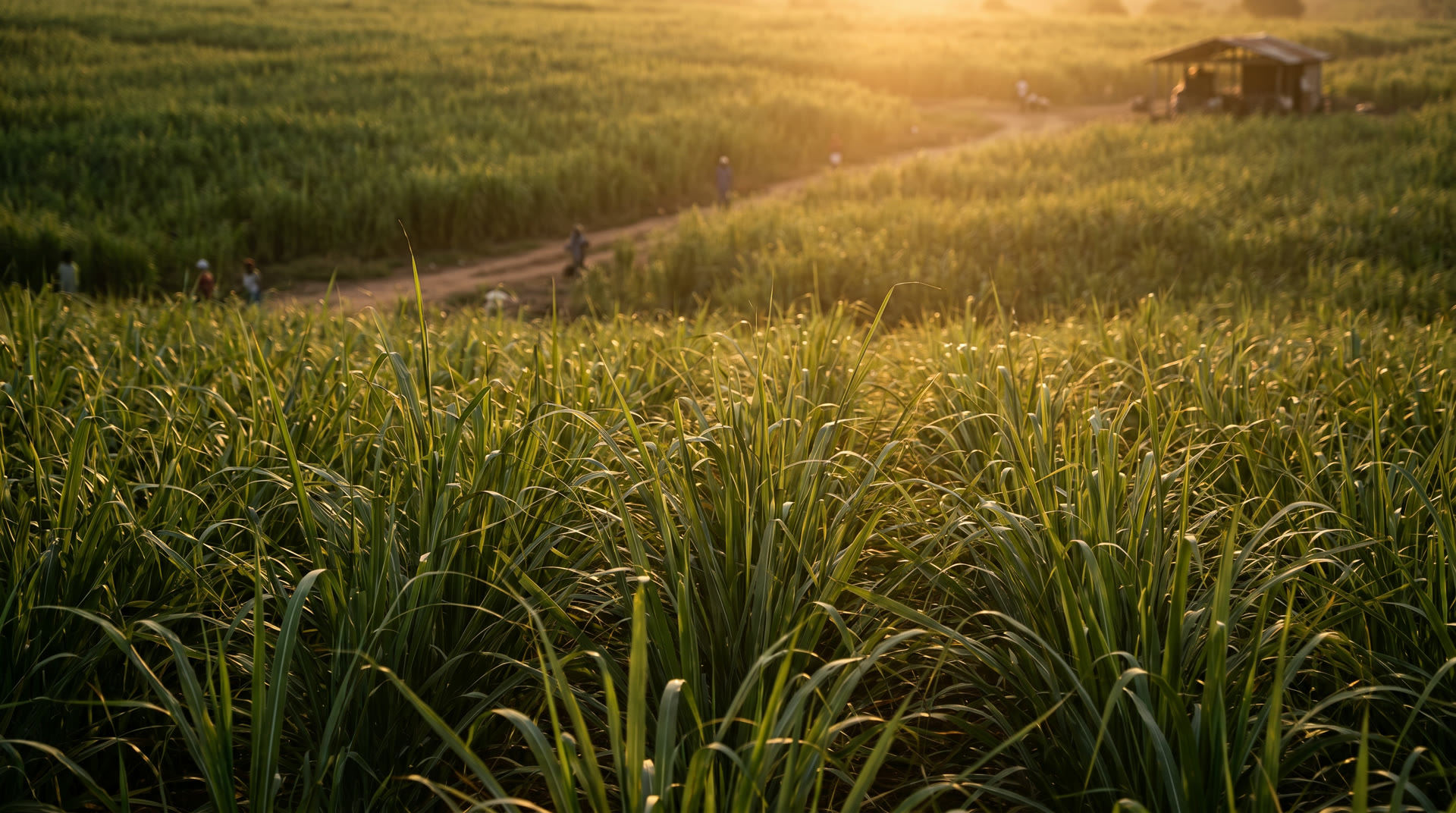
Kenaf as a climate-positive crop.
Kenaf is linked to carbon sequestration of an estimated 10–15 tons of CO2 per hectare during its growing season, soil improvement, climate resilience, and the broader shift toward biodegradable alternatives to synthetic materials.
Its focus on natural fibres and green product pathways supports a strong ESG-oriented narrative for partners, development institutions, and impact-aligned investors.
Inclusive growth at every stage.
Rural employment
Job creation across cultivation, processing, and logistics in rural communities.
Youth & women’s participation
Deliberate inclusion of youth and women through training and future supply models.
Farmer inclusion
Local farmer engagement through training and evolving supply relationships.
Four commitments that shape how we build.
Renewable materials
Fibre-based alternatives to synthetic and imported materials.
Circular economy
Multi-output value chains that minimize waste and maximize biomass utility.
Climate resilience
Crop and land practices that support soil health and carbon capture.
Local industrialization
Reducing import dependence while building domestic manufacturing capacity.